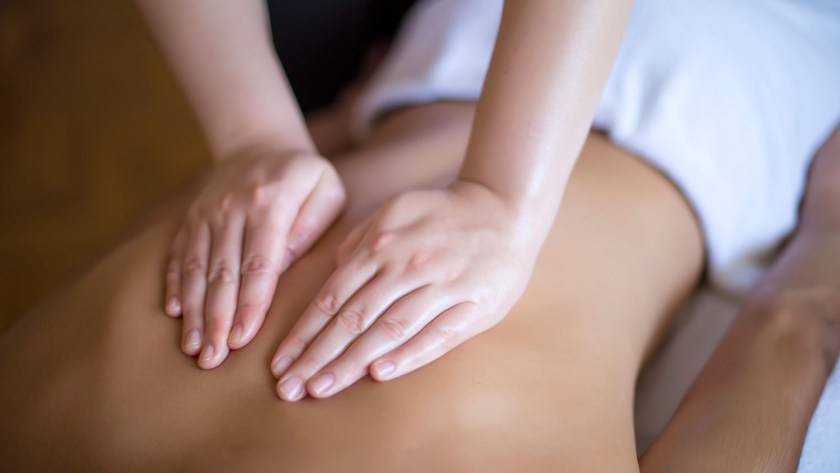


Benefits of Massage for an active lifestyle
Massage therapy is more than just a luxury. It's a powerful tool for those with an active lifestyle.
Whether you're an athlete or a fitness enthusiast, massage can be a game-changer. It aids in recovery and enhances performance.
The benefits of massage for active individuals are vast. From reducing muscle soreness to improving flexibility, the advantages are clear.
Massage therapy also promotes mental well-being. It helps alleviate stress and anxiety, crucial for maintaining focus.
Incorporating massage into your routine can elevate your overall wellness. It's a holistic approach to health, addressing both body and mind.
Why Massage Matters for Active Individuals
For those with an active lifestyle, muscle care is crucial. Massage therapy provides an essential service in this regard. It helps maintain muscle health, flexibility, and function.
Active individuals often face muscle stiffness and soreness. Regular massages can relieve these issues. They enhance blood circulation, accelerating the body's natural healing processes.
Here are some key reasons why massage therapy is invaluable:
Prevents injuries by keeping muscles relaxed.
Enhances range of motion for better performance.
Reduces muscle soreness post-exercise.
With these benefits, it's clear massage therapy is more than just a luxury. It supports the demands of an active lifestyle. Incorporating massage into your routine can lead to sustained physical well-being. It is a wise choice for any fitness regimen.
Key Physical Benefits of Massage
Massage therapy offers numerous physical benefits. For active individuals, it's a vital component of overall wellness. It not only alleviates discomfort but also boosts physical performance.
Regular massages can greatly reduce muscle pain and stiffness. This makes it easier to continue with an active lifestyle. Enhanced blood flow aids in faster recovery and muscle repair, helping athletes bounce back quickly from strenuous activities.
Here are some key physical benefits of massage:
Increased flexibility which helps prevent strains.
Improved circulation for quicker healing.
Enhanced muscle recovery reducing downtime.
Massage therapy can also help in injury prevention. By keeping muscles relaxed and joints supple, athletes minimize their risk of injury. This is crucial for maintaining training schedules without interruption.
Additionally, here are benefits that aid general well-being:
Pain relief through endorphin release.
Improved posture which supports proper alignment.
Detoxification by promoting lymphatic drainage.
These benefits make massage therapy an indispensable part of any active lifestyle. It provides both immediate and long-term advantages, enhancing physical endurance and performance. Integrating regular massages into your routine can be transformative.
Recovery Massage: Speeding Up Healing and Reducing Downtime
After intense physical activity, the body's priority is recovery. Recovery massage is designed to focus on speeding up this healing process. It targets muscle recovery, allowing active individuals to quickly return to their routines.
One major advantage of recovery massage is its ability to reduce downtime between workouts. By easing muscle tension, it prevents prolonged soreness and stiffness. This allows you to maintain your training schedule without unnecessary delays.
Here are some specific benefits of recovery massage:
Improved muscle elasticity reducing injury risk.
Accelerated waste product removal from muscles.
Enhanced blood circulation promoting faster healing.
By aiding in the recovery process, this type of massage reduces the risk of overtraining. It keeps your body in an optimal state, ready for the next physical challenge. With consistent sessions, athletes and active individuals can feel more prepared and resilient. Adopting recovery massage into your routine is a smart strategy for minimizing downtime and maximizing performance.
Mental and Emotional Advantages of Massage Therapy
Massage therapy extends beyond the physical realm, offering significant mental and emotional benefits. Regular sessions can help alleviate stress and anxiety, which are common among active individuals. This mental clarity enhances focus, allowing athletes to perform better.
The release of endorphins during a massage can elevate mood and foster a sense of well-being. This is crucial for maintaining motivation and persistence. Individuals who feel good mentally are more likely to pursue their fitness goals.
Key mental and emotional advantages include:
Reduced stress levels
Improved mood and mental clarity
Enhanced relaxation
By incorporating massage therapy into your routine, you can achieve a balanced lifestyle. The mental and emotional benefits complement physical gains, creating a holistic approach to wellness and performance improvement.
Massage for Athletes: Performance, Prevention, and Personalization
Athletes often push their bodies to the limit, which can lead to muscle strain and fatigue. Massage therapy is a crucial tool for performance enhancement. It not only helps in muscle recovery but also improves blood flow, which is essential for peak performance.
Injury prevention is another critical aspect of massage for athletes. Regular sessions can identify tension spots and imbalances before they become serious issues. This proactive approach reduces the risk of injuries, keeping athletes on track with their training.
A personalized massage routine can be tailored to an athlete's specific needs. Whether focusing on a particular muscle group or addressing a chronic concern, customized therapy maximizes results. By addressing individual needs, massages ensure optimal recovery and performance.
Key benefits of personalized massages for athletes include:
Enhanced blood circulation
Targeted injury prevention
Optimized recovery and performance
by Katherine Hanlon (https://unsplash.com/@tinymountain)
Incorporating massage therapy into an athlete's regimen isn't just a luxury—it's a performance-enhancing strategy. It serves as a foundation for both longevity and success in sports. Athletes can achieve their goals while maintaining health and well-being.
How to Incorporate Massage into Your Active Lifestyle
Integrating massage into your routine can seem daunting, but it doesn't have to be. Start by assessing your needs and goals. Determine whether you need a weekly massage or just a session after intense activities.
Choose a massage type that fits your lifestyle. Sports massage and deep tissue are popular choices for active individuals. They cater specifically to muscle recovery and performance.
Incorporating massage can be as simple as scheduling regular sessions. Consider adding other elements like stretching or foam rolling to enhance benefits. Here's how to make massage a seamless part of your routine:
Schedule consistent sessions
Match massage type with activity level
Combine with other recovery techniques
Making massage a staple in your active lifestyle can lead to long-term wellness and enhanced performance. It’s not just about relaxation but ensuring you can perform your best.
Conclusion: Making Massage Part of Your Wellness Routine
Incorporating massage into your wellness routine offers a wealth of benefits. It supports both physical and mental well-being. With regular sessions, you can enjoy reduced muscle soreness and stress.
Ultimately, massage therapy serves as a crucial element of a balanced lifestyle. Embrace the advantages, and feel the difference in your performance and recovery.